Google has expanded its artificial intelligence offerings with the launch of the AI Pro plan, a premium subscription designed for professionals, creators, and businesses that require more powerful AI capabilities. As competition in the AI market intensifies, Google’s AI Pro plan positions itself as a high-performance solution within the Google ecosystem.
What Is Google’s AI Pro Plan?
The Google AI Pro plan is a paid subscription tier that provides enhanced access to Google’s AI models, including advanced versions of Gemini AI, along with increased usage limits and priority performance.
Unlike free AI tools, the Pro plan focuses on productivity, reliability, and scalability, making it suitable for users who rely on AI for daily work.
Key Features of Google’s AI Pro Plan
Google’s AI Pro plan includes several benefits aimed at power users:
🚀 Advanced AI Models
Subscribers gain access to more capable AI models with improved reasoning, longer context windows, and higher accuracy for complex tasks such as coding, research, and data analysis.
📈 Higher Usage Limits
The Pro plan significantly increases prompt, file upload, and output limits compared to free tiers, allowing uninterrupted workflows for intensive projects.
🧠 Enhanced Productivity Tools
Google integrates AI Pro features across its ecosystem, including:
AI-assisted writing and summarization
Code generation and debugging
Data interpretation and spreadsheet analysis
Image and content generation tools
⚡ Priority Performance
Pro users benefit from faster response times and prioritized access during peak demand, ensuring consistent performance when it matters most.
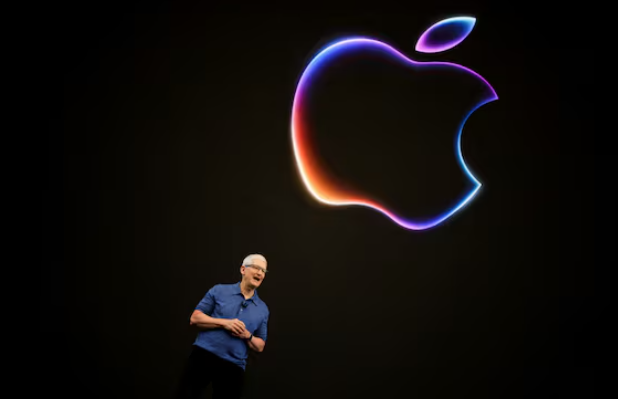
Based on the latest reports surrounding Apple’s 2025 Worldwide Developers Conference (WWDC), the company faces significant challenges in AI innovation, regulatory pressures, and competitive threats as it seeks to retain developer loyalty. Here’s a synthesis of key developments:
⚙️ 1. AI Delays and Technical Shortcomings
Siri Upgrades Deferred: Major AI enhancements for Siri, promised at WWDC 2024, are delayed until 2026–2027 due to technical hurdles in integrating large language models (LLMs) without glitches. The overhaul aims to enable contextual understanding and app control but remains in early development 1910.
Limited AI Capabilities: Apple lacks a “multi-modal” AI model (processing imagery, audio, and language simultaneously), crucial for smart glasses. Current AI features rely on partners like OpenAI, while rivals (Google, Meta) advance standalone models 1410.
Critique of Competitors: Apple released research criticizing rivals (OpenAI, Anthropic) for AI models that “collapse” under complex reasoning tasks, deflecting scrutiny of its own delays 10.
⚖️ 2. Mounting Regulatory and Economic Pressures
App Store Challenges: Courts in the U.S. and EU are poised to dismantle App Store fees, threatening a core revenue stream. Former Apple supporters now question its 30% commission model 12.
Tariff Threats: President Trump’s proposed 25% tariff on iPhones produced outside the U.S. could force price hikes. Apple’s plan to shift production to India (not the U.S.) has drawn political backlash 14.
China Market Hurdles: Collaboration with Alibaba for AI features faced regulatory roadblocks, delaying Siri’s rollout in China 9.
📉 3. Competitive and Market Erosion
Hardware Gap: Competitors like Meta ($400 Ray-Bans) and Google are dominating affordable smart glasses, while Apple’s $3,500 Vision Pro remains a niche “showroom product” 124.
Stock Decline: Apple shares fell >40% since early 2025, underperforming Microsoft and Google. Investors cite AI lag, tariff risks, and service-business legal disputes 19.
Leadership Shakeup: AI chief John Giannandrea was replaced by Vision Pro head Mike Rockwell, signaling strategic confusion 9.
💻 4. WWDC Strategy: Design Over AI
UI/UX Revamp: iOS 19–visionOS will adopt unified “Glassmorphism” design (transparent, light-based elements), aligning interfaces across devices for consistency 579.
Limited AI Developer Tools: Opening Apple’s LLMs to third-party devs for writing tools/Genmoji, but no major Siri API or Gemini integration yet 79.
Naming Shift: OS versions rebranded by release year (e.g., iOS 26 for 2026) 79.
💎 Conclusion: A Pivotal Moment
Apple’s WWDC 2025 reflects a company prioritizing ecosystem cohesion (design, cross-device sync) amid AI catch-up struggles. As service head Eddy Cue admitted, “You must fight every day in tech. The iPhone might not exist in 10 years” 4. With rivals accelerating and regulators closing in, Apple’s ability to woo developers hinges on delivering credible AI progress—soon.